AI and the Future of Learning Websites
Overview
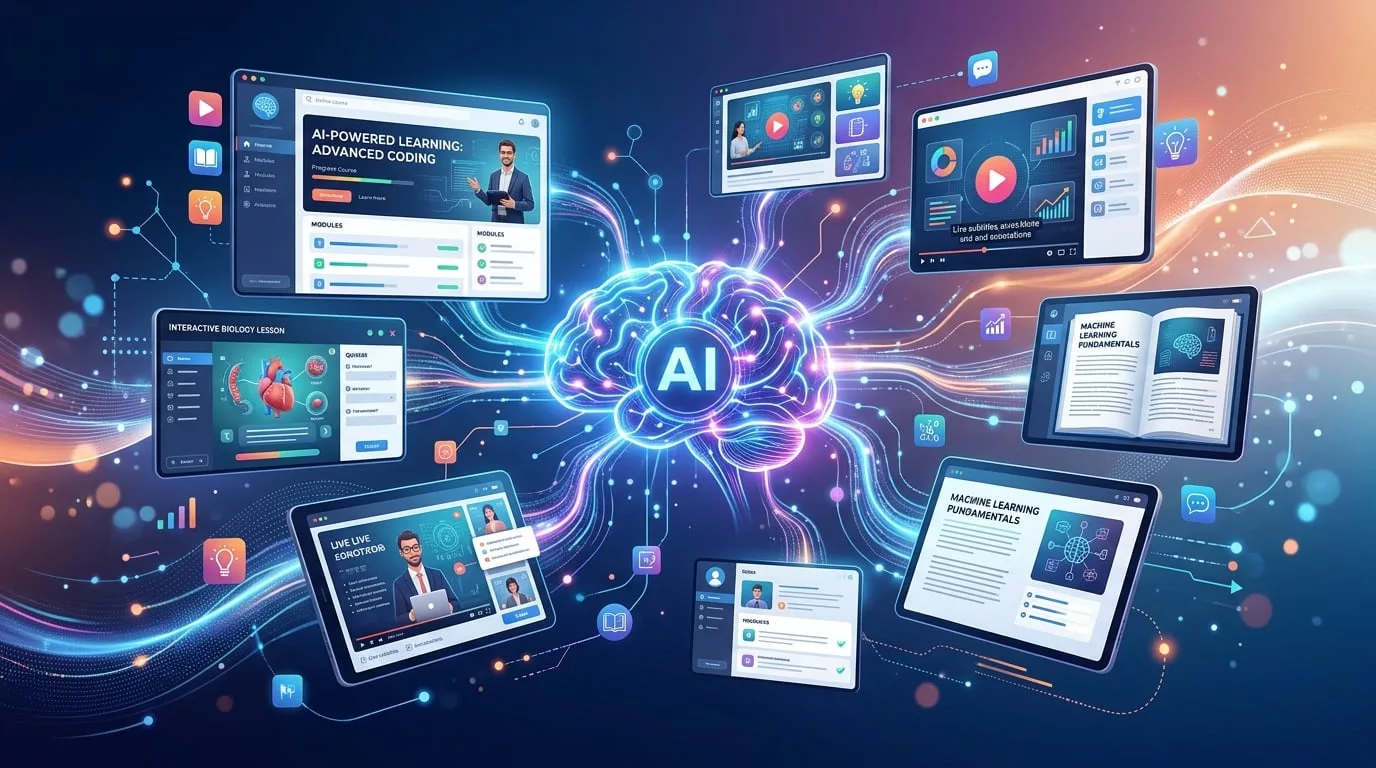
AI is rapidly changing what learning websites can do. A few years ago, most online learning platforms were little more than libraries of videos, quizzes, and progress bars. Today, AI can help those sites become active learning companions that adapt to each user in real time. It can recommend the next lesson, rewrite explanations in simpler language, generate practice questions, and even answer follow-up questions through chat. In the near future, learning websites will likely feel less like static courses and more like responsive tutors that understand where a learner is stuck and what kind of help they need next.
Boomer Perspective — The Optimistic View
From an optimistic perspective, AI could make learning websites more personal, efficient, and inclusive than ever before. One of the biggest weaknesses of traditional online education is that it assumes everyone learns at the same pace. AI changes that by tailoring content to the learner. A student who struggles with algebra can get extra practice and simpler explanations, while another who is ready to move ahead can skip repetition and stay engaged.
AI also helps instructors and course creators do more with less. It can automate lesson summaries, draft quiz questions, translate content, and provide instant feedback to students. That means teachers and platforms can spend more time on mentoring, creativity, and deeper discussion instead of repetitive administrative work. For learners, this can mean faster progress and fewer frustrating dead ends.
There is also a strong accessibility benefit. AI-powered captions, text-to-speech, translation, and reading support can make learning websites more usable for people with disabilities and for multilingual learners. In the best case, AI does not replace human teaching; it extends its reach.
Doomer Perspective — The Cautionary View
The pessimistic view is that AI may make learning websites more convenient while quietly weakening the learning process itself. If students rely too heavily on AI-generated answers, they may stop practicing the hard mental work that builds real understanding. A platform that always gives the fastest answer may create the illusion of learning without the depth.
There are also risks around bias, privacy, and dependence. Learning websites collect sensitive data: performance history, behavior patterns, even emotional cues. If that data is mishandled, students could lose trust in the platform, or worse, have their information used in ways they never expected. AI models can also reflect hidden biases, which may lead to unfair recommendations or uneven support.
Another concern is that automation can flatten the human side of education. The best teachers do more than deliver information; they motivate, challenge, and notice when a learner needs encouragement. A highly optimized website may be efficient, but still feel lonely, mechanical, or overly standardized.
Balanced Analysis
The future of learning websites is not a simple story of AI saving education or destroying it. The more realistic outcome is somewhere in between. AI will almost certainly improve personalization, feedback, and accessibility, especially on large-scale platforms that serve diverse learners. But those gains will only matter if websites are designed with clear limits, human oversight, and strong privacy protections.
In other words, the winning learning websites will not be the ones that use the most AI. They will be the ones that use AI wisely. The goal should be to make learning more human, not less: more responsive, more inclusive, and more effective, while still preserving curiosity, effort, and real teacher-student connection.