AI: The New Teacher’s Pet or the End of Education as We Know It?
Overview
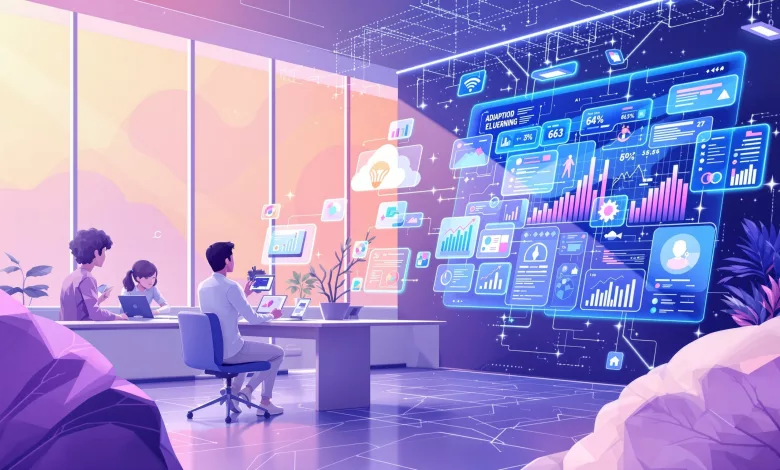
Artificial intelligence is no longer a far-fetched concept from science fiction; it’s a tangible force rapidly reshaping our world, and the realm of education is no exception. Online learning websites, once simple repositories of videos and articles, are now evolving into dynamic, intelligent platforms. AI is the engine driving this transformation, promising personalized learning paths, instant feedback, and tireless virtual tutors. This advancement is met with a mix of unbridled optimism and deep-seated skepticism, painting a complex picture of the future of learning.
Boomer Perspective
From an optimistic viewpoint, AI is a revolutionary tool poised to democratize and enhance education on a global scale. Proponents envision a world where learning is no longer one-size-fits-all. AI-powered platforms can adapt to each student’s unique pace and style, identifying weaknesses and reinforcing strengths with tailored exercises and content. This personalization makes learning more efficient and engaging. Furthermore, AI can automate tedious administrative tasks like grading, freeing up human educators to focus on what they do best: mentoring, inspiring, and providing nuanced, empathetic guidance. For learners with disabilities or those in remote locations, AI offers unprecedented accessibility to quality education.
Doomer Perspective
On the other side of the spectrum, the “doomer” perspective raises critical concerns about the rise of AI in education. The primary fear is the erosion of the human element. Can an algorithm truly replicate the mentorship, encouragement, and emotional connection a great teacher provides? Critics worry that an over-reliance on AI could lead to a sterile, isolating learning experience. There are also significant concerns about algorithmic bias. If the AI is trained on biased data, it could perpetuate and even amplify existing societal inequalities in its educational assessments and content delivery. Another fear is that students may become too dependent on AI for instant answers, stunting the development of critical thinking, resilience, and problem-solving skills.
A Balanced Analysis
Both perspectives hold valid points. AI is not a silver bullet, nor is it an educational apocalypse. It is a powerful tool whose impact will be determined by how we wield it. The most likely and effective future for online learning is a hybrid model—one that combines the computational power of AI with the irreplaceable value of human instruction. AI can handle the heavy lifting of data analysis, content personalization, and routine assessment, while human educators guide the learning journey, foster a sense of community, and nurture the soft skills that are crucial for success in life. The goal should not be to replace teachers but to empower them, creating a collaborative ecosystem where technology and humanity work in concert to unlock every learner’s full potential.