The AI Revolution: Reshaping the Future of Computers
The relentless march of Artificial Intelligence is not just bringing us smarter apps and digital assistants; it’s fundamentally reshaping the very essence of computing. From the silicon in our processors to the software we interact with daily, AI is poised to catalyze the next great leap in the computer domain. This isn’t merely about faster machines, but a paradigm shift in how we design, build, and use them. We’re moving from computers that follow instructions to computers that learn, adapt, and anticipate our needs.
Boomer Perspective
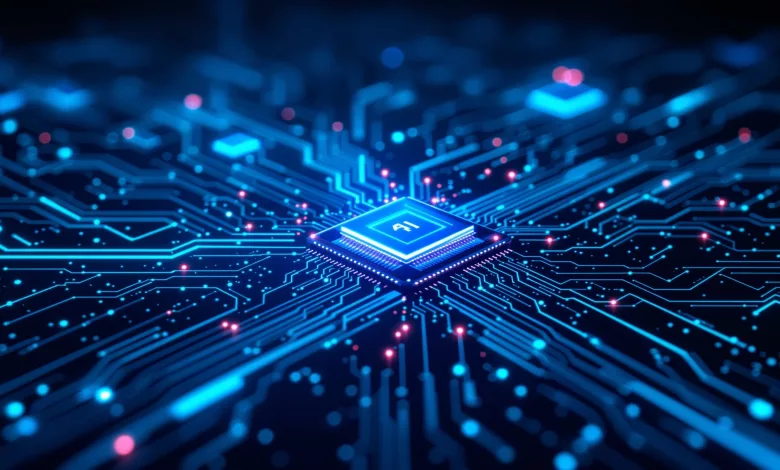
From an optimistic viewpoint, AI is the ultimate force multiplier for computing. Imagine computers that program themselves, instantly optimizing code for maximum efficiency and security, eliminating bugs before they ever reach the user. Hardware will evolve with AI-designed chips that are tailored for specific tasks, leading to exponential gains in processing power for everything from scientific research to immersive entertainment. For the average user, this means a truly personalized and intuitive experience. Your computer will understand your workflow, proactively organize your files, and even anticipate what you need before you ask. It’s a future of seamless, frictionless interaction, where technology fades into the background, empowering human creativity and productivity like never before.
Doomer Perspective
A more cautious perspective, however, raises critical questions about this rapid integration. What happens when we cede too much control to AI-driven systems? An over-reliance on AI for software development could lead to a generation of programmers who don’t understand the underlying code, creating fragile, inscrutable systems. If AI designs our hardware, we might create “black box” processors whose decision-making processes are beyond human comprehension and control. Furthermore, the immense computational power required to train these advanced AIs could exacerbate environmental concerns and concentrate power in the hands of a few tech giants who can afford the infrastructure, deepening the digital divide. The risk is a future where our own technology becomes alien to us, making decisions in ways we can’t predict or correct.
A Balanced Analysis
Both perspectives hold a piece of the truth. The future of AI in computing is not a predetermined path to utopia or dystopia, but a landscape of incredible opportunity fraught with genuine risk. The “boomer” view rightly identifies the potential for unprecedented efficiency and user empowerment. The “doomer” view serves as a crucial warning about the dangers of unchecked development and the importance of maintaining human oversight.
The key lies in a balanced approach. We can harness AI to design more powerful and efficient computers, but we must insist on transparency and interpretability in their operations. We can build AI-powered tools that augment human programmers, not replace them, fostering a collaborative environment. The goal should be to use AI not as a crutch, but as a powerful tool to enhance our own capabilities. By navigating this new frontier with foresight and ethical diligence, we can steer the future of computing toward one that is both profoundly powerful and fundamentally human-centric.