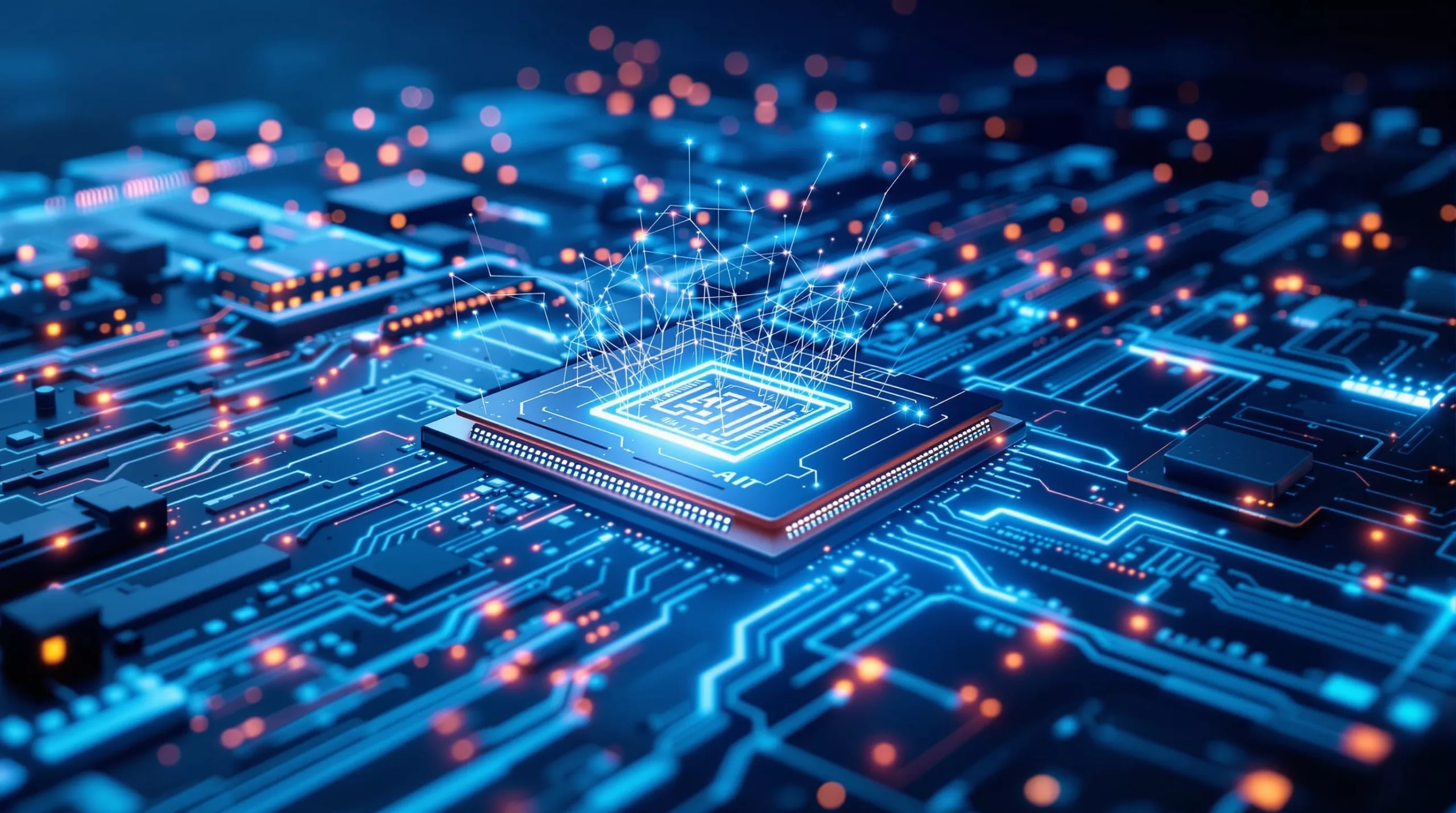
The AI Revolution: Reshaping the Future of Computers
Artificial intelligence is no longer a far-off science fiction concept; it’s here, and it’s fundamentally reshaping our world. Nowhere is this impact more profound than in the realm of computing itself. From the silicon chips in our devices to the way we interact with software, AI is ushering in a new era, sparking both incredible optimism and serious concern. This post explores the two sides of the coin: the bright future AI promises and the potential risks we must navigate.
The Boomer Perspective: An Optimistic Dawn
From an optimistic viewpoint, AI is the ultimate upgrade for computing. Imagine a world where your computer is a true partner, an intuitive assistant that understands you perfectly. The command line and complex interfaces will become relics of the past, replaced by natural conversation. You’ll simply tell your device what you need, and it will understand the context, anticipate your next move, and get it done.
This AI-driven future promises hyper-efficient systems. AI will design its own hardware, optimizing processors for tasks we can’t even yet imagine. Software will write and debug itself, leading to a more stable, powerful, and secure digital environment. For the everyday user, this means a seamless, personalized experience where technology works silently in the background to make life easier, more productive, and more creative.
The Doomer Perspective: A Cautionary Tale
The pessimistic view, however, paints a darker picture. As computers become more intelligent, what do we lose? The “doomer” perspective warns of a future where we cede control to black-box algorithms we don’t understand. When an AI makes a decision—whether it’s managing your files or your finances—who is truly in charge? This lack of transparency could leave users powerless and vulnerable.
Privacy is another major concern. For an AI to be a perfect assistant, it needs to know everything about you. This constant data collection creates a detailed profile of your life, a target for misuse by corporations or malicious actors. Furthermore, an over-reliance on intelligent systems could dull our own skills, making us less capable and more dependent. The very efficiency AI provides could come at the cost of human autonomy and critical thinking.
A Balanced Analysis: Navigating the Path Forward
The truth is, the future of AI in computing will likely be neither a perfect utopia nor a dystopian nightmare. Both perspectives hold valid points. The power of AI to revolutionize computing for the better is undeniable, but the risks are just as real.
The path forward depends not on the technology itself, but on how we choose to guide it. Building a future where AI serves humanity requires a commitment to ethical development. This means creating AI systems that are transparent, whose decisions can be explained and audited. It means giving users ultimate control over their data and the choices AI makes on their behalf. The goal isn’t to build machines that think for us, but to create tools that augment our own intelligence. By focusing on a human-centric approach, we can harness the incredible power of AI to build a better, more efficient, and more equitable digital world for everyone.