The Future of AI Tools: A Double-Edged Sword
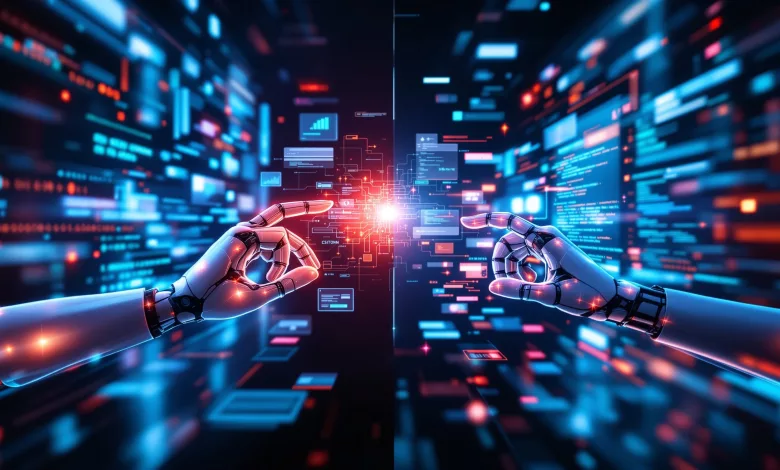
The relentless march of artificial intelligence is reshaping our world, and nowhere is this more evident than in the very tools used to build our digital future. AI’s impact on software development and other “AI tools” is a topic of both immense excitement and profound concern. As these tools become more sophisticated, they present a dual narrative: one of unprecedented progress and another of potential peril.
The Boomer Perspective: A New Era of Innovation
From an optimistic viewpoint, AI-powered tools are the dawn of a new industrial revolution. Proponents see a future where these tools act as powerful assistants, amplifying human creativity and productivity. AI can automate tedious and repetitive tasks, from writing boilerplate code to generating complex data visualizations, freeing up human developers to focus on higher-level system design and innovation.
This perspective champions the idea of “human-plus” capabilities, where AI doesn’t replace humans but augments their skills. The World Economic Forum, for instance, predicts a net positive in job creation, with new roles emerging that require collaboration with AI systems. The acceleration of scientific research and the development of novel solutions to global challenges are just a few of the boons anticipated in this optimistic future.
The Doomer Perspective: A Cautionary Tale
On the other side of the spectrum, the “doomer” perspective raises red flags about the unchecked advancement of AI tools. A primary concern is widespread job displacement, as AI becomes capable of performing tasks currently done by skilled professionals. The potential for an “AI Winter,” where overblown hype leads to a crash in investment and progress, is another significant fear.
Furthermore, critics point to the limitations of current AI, such as the “narrow” architecture of large language models, which excel at language but may lack true reasoning. The immense energy consumption of AI data centers, coupled with concerns about data privacy, algorithmic bias, and the spread of misinformation through deepfakes, paints a more dystopian picture.
A Balanced Analysis: Navigating the Middle Path
The reality of AI’s impact on our tools will likely lie somewhere between these two extremes. It’s not a simple binary of utopia or dystopia. While AI will undoubtedly automate many tasks, the need for human oversight, critical thinking, and ethical judgment will become more critical than ever.
The role of the developer is not disappearing but evolving. The focus will shift from manual coding to system architecture, strategic decision-making, and ensuring the responsible implementation of AI. AI literacy will become a fundamental skill across many professions. The challenge lies in adapting our education systems and workforce training to prepare for this new paradigm.
In conclusion, the future of AI tools is not a predetermined destiny. It is a path we are actively shaping. By fostering a culture of responsible innovation, establishing clear ethical guidelines, and investing in human capital, we can harness the immense potential of AI to build a better future, while mitigating the risks that accompany this powerful technology.