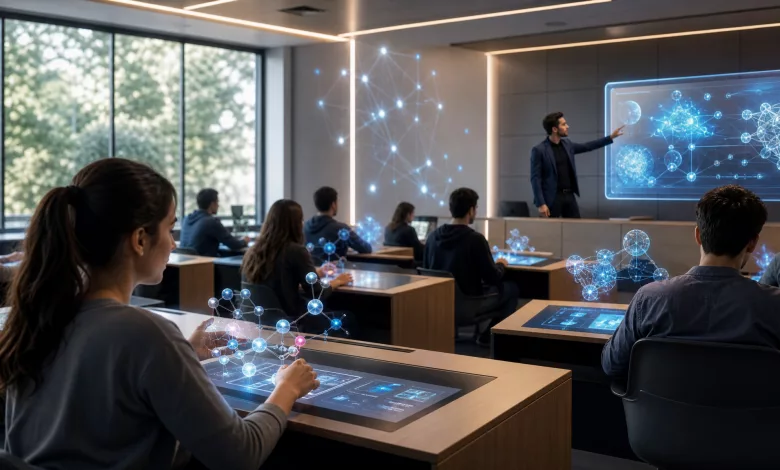
AI and the Future of Education
Artificial intelligence is moving from a helpful classroom add-on to a core part of how education is designed, delivered, and evaluated. From adaptive tutoring apps that adjust to each student’s pace to writing assistants that help teachers draft lesson plans, AI is already changing the rhythm of learning. Its biggest promise is simple but powerful: more personalized support at scale. Instead of one-size-fits-all instruction, students can get practice, feedback, and explanations tailored to their needs, while teachers gain time back from repetitive tasks.
As the technology improves, AI is likely to become even more visible in schools, colleges, and lifelong learning platforms. It can summarize readings, generate quizzes, translate content into multiple languages, and spot gaps in student understanding faster than a busy instructor can. But the same capabilities that make AI attractive also make it controversial.
Boomer Perspective
The optimistic view sees AI as a long-overdue upgrade to an education system that has often struggled to serve every learner well. For students, AI can provide around-the-clock tutoring, instant feedback, and low-stakes practice without the embarrassment some feel asking questions in class. For teachers, it can reduce time spent on grading, admin work, and content preparation, freeing them to focus on mentorship, discussion, and creative instruction.
AI may also help schools become more inclusive. Students who learn at different speeds, speak different languages, or need accessibility support can benefit from tools that adapt instruction in real time. A student who needs more examples, simpler language, or an audio version of a lesson can get that instantly. In this view, AI does not replace great teaching; it amplifies it. It gives educators better tools and gives students more ways to succeed.
Doomer Perspective
The pessimistic view warns that AI could weaken the very foundations of education if used carelessly. One concern is dependency: if students rely on AI too quickly, they may skip the struggle that builds real understanding. Writing, problem-solving, and critical thinking can all become outsourced instead of developed.
There are also serious concerns about cheating, privacy, and bias. If students use AI to complete assignments, teachers may struggle to know what was truly learned. If schools collect large amounts of student data, they must protect it carefully. And if AI systems reflect biased training data, they may reinforce unfair outcomes rather than reduce them. Perhaps most importantly, overreliance on digital systems can make learning feel less human, less relational, and less grounded in trust.
Balanced Analysis
The truth is that AI in education is neither a miracle nor a menace. It is a force multiplier. Used well, it can personalize learning, support teachers, and make education more flexible and responsive. Used poorly, it can flatten learning into shortcuts, widen inequalities, and erode confidence in academic work.
The future likely belongs to schools that treat AI as a tool, not a substitute. That means clear policies, strong teacher training, age-appropriate use, and a continued emphasis on human judgment. The best educational model ahead is not AI versus teachers, but AI plus teachers. In that partnership, technology handles scale and speed, while educators preserve the empathy, discipline, and wisdom that real learning requires.