The Future of AI in Education: Promise and Peril
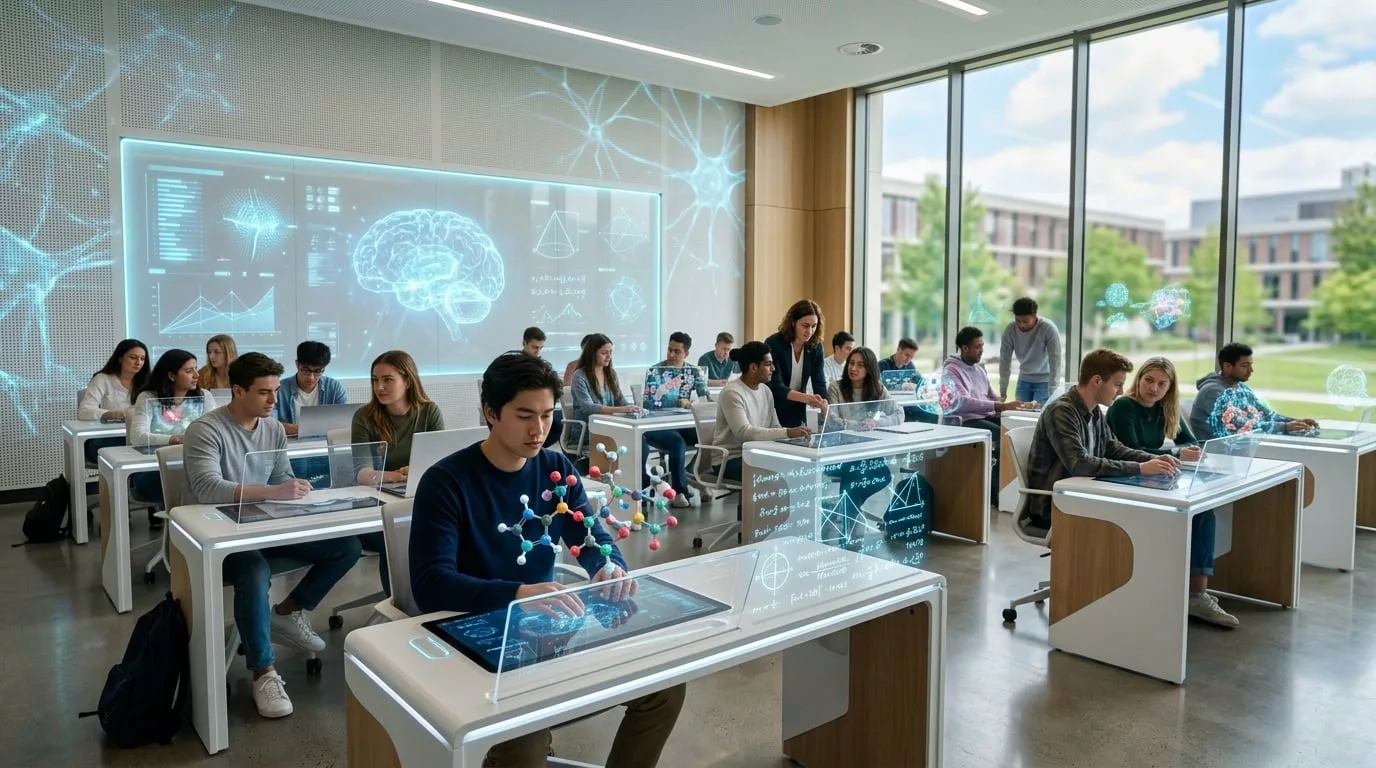
AI is moving from a novelty in the classroom to a daily educational tool. From adaptive tutoring apps and automated grading to lesson planning assistants and AI-powered accessibility features, the education sector is being reshaped fast. What makes this shift especially important is that AI is not just changing how students learn, but also who gets access to support, when help is available, and what teachers can spend their time doing. The future of education will likely be defined not by whether AI enters classrooms, but by how thoughtfully people decide to use it.
Boomer Perspective
The optimistic case for AI in education is compelling. At its best, AI can make learning far more personalized than traditional one-size-fits-all instruction. A student who struggles with algebra can get extra practice and instant feedback, while another who excels can move ahead without waiting for the class. That kind of adaptive learning could help more students stay engaged and improve outcomes.
AI also has enormous potential to improve accessibility. Students with disabilities can benefit from speech-to-text tools, text-to-speech readers, translation support, and AI systems that simplify complex language. For learners in underserved communities, AI tutors may provide support that would otherwise be unavailable due to limited staff or resources.
Teachers, too, stand to gain. AI can reduce administrative burdens by helping draft lesson plans, summarize student progress, generate quiz questions, or sort through routine grading tasks. If used well, this gives educators more time for the human side of teaching: mentoring, encouragement, discussion, and creativity. In the best version of the future, AI does not replace the teacher; it amplifies the teacher.
Doomer Perspective
The cautionary view is harder to ignore. One major concern is job displacement. If schools and universities lean too heavily on AI for grading, tutoring, and support, they may be tempted to reduce staff or outsource more of the learning process to machines. Even if teachers are not fully replaced, their role could be narrowed in ways that erode professional autonomy.
There is also the risk of over-reliance. Students who use AI to generate answers instantly may skip the struggle that builds deep understanding. Learning is not just about getting the right result; it is about developing judgment, persistence, and original thought. If AI becomes a shortcut for every assignment, education could become more superficial, not less.
Privacy is another serious issue. AI systems often depend on large amounts of student data, raising questions about surveillance, consent, and commercial exploitation. And perhaps most importantly, education is a human relationship. It is built on trust, empathy, and real conversation. If AI becomes the dominant presence in classrooms, students may receive information efficiently but lose something less measurable and more essential: human connection.
A Balanced View
The future of AI in education is neither a utopia nor a disaster. It is a tool, and tools reflect the values of the people using them. If schools treat AI as a replacement for teachers and a shortcut for students, the doomer warnings will prove justified. But if AI is deployed carefully—as support for personalized learning, accessibility, and teacher efficiency—it could make education more inclusive and effective than ever before.
The real challenge is governance. Schools will need clear rules, strong privacy protections, and a commitment to preserving human-centered teaching. AI should free educators to do more of what only humans can do: inspire curiosity, build confidence, and help young people grow into thoughtful adults. The future of education will belong not to AI alone, but to the partnership between human wisdom and machine intelligence.