AI and the Future of Education
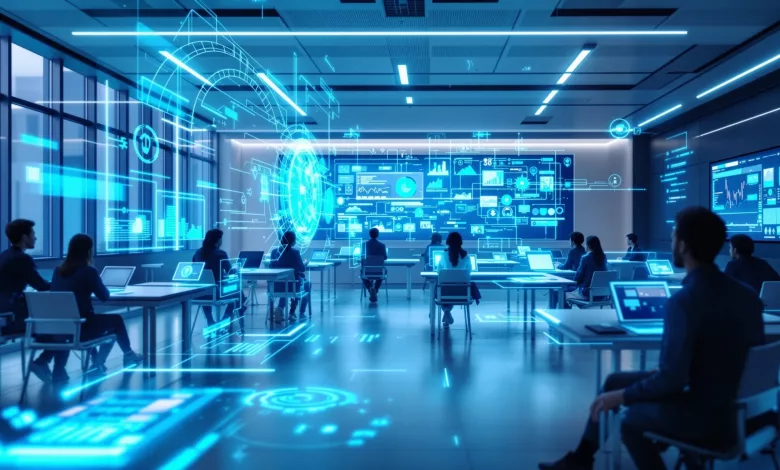
AI is no longer a futuristic concept in education; it’s a present-day reality. As technology advances, artificial intelligence is poised to revolutionize the learning landscape. From personalized learning paths to automated administrative tasks, AI offers a tantalizing glimpse into a more efficient and effective educational future. But with great promise comes significant challenges. This post explores both the optimistic and pessimistic perspectives on AI’s role in shaping the classrooms of tomorrow.
Boomer Perspective
The optimistic view champions AI as a transformative tool for good. Proponents envision a world where every student has a personalized tutor. AI algorithms can adapt to individual learning styles, providing customized content and pacing that traditional classrooms can’t match. This tailored approach helps students master subjects at their own speed, ensuring no one is left behind.
Furthermore, AI can democratize access to education. High-quality learning resources can be made available to anyone with an internet connection, breaking down geographical and economic barriers. For teachers, AI can be a powerful assistant, automating grading, managing administrative work, and freeing up valuable time to focus on what they do best: inspiring and mentoring students. AI-powered tools can also provide teachers with deep insights into student performance, highlighting areas where individuals or the entire class may be struggling.
Doomer Perspective
On the other hand, the cautionary “doomer” perspective raises valid concerns. One of the most significant fears is the potential for job displacement. If AI can handle tutoring, grading, and even lesson planning, what is the future role of human teachers? This leads to anxieties about the devaluation of the teaching profession.
Data privacy is another major issue. Educational AI systems collect vast amounts of student data, from academic performance to learning behaviors. The potential for misuse or breaches of this sensitive information is a serious risk that cannot be ignored. There’s also the danger of over-reliance on technology, where students may lose critical thinking and problem-solving skills by depending too heavily on AI-driven answers.
Finally, the equity gap could widen. If high-quality AI tools are only available to affluent schools and districts, students from less privileged backgrounds could be left even further behind, exacerbating existing inequalities in the education system.
A Balanced Analysis
The future of AI in education is not a binary choice between a utopian dream and a dystopian nightmare. The reality will likely be a complex mix of both visions. The key lies in how we navigate the integration of these powerful tools.
AI’s potential to personalize learning and support teachers is undeniable. However, the concerns around job displacement, privacy, and equity are equally valid. The most effective path forward involves using AI to augment, not replace, human teachers. AI can handle the rote tasks, providing data-driven insights that empower educators to provide more targeted and empathetic support.
Ultimately, a balanced approach is crucial. We must establish strong ethical guidelines and robust data privacy regulations. We need to invest in professional development to help teachers adapt to new roles as facilitators and mentors in an AI-enhanced learning environment. By thoughtfully harnessing AI’s strengths while mitigating its risks, we can create a future where technology and humanity collaborate to unlock every student’s full potential.