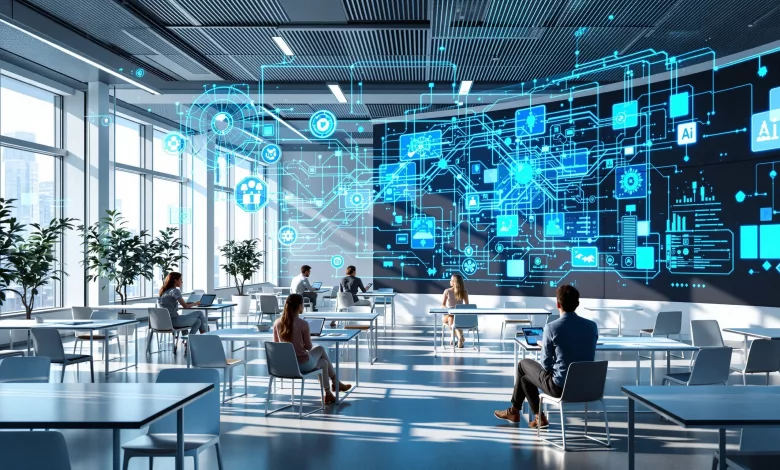
AI and the Future of Education
Artificial intelligence is no longer a far-off concept; it’s rapidly integrating into every facet of our lives, and education is no exception. From personalized learning paths to automated administrative tasks, AI promises to revolutionize how we teach and learn. But as with any powerful technology, its rise is met with a mix of unbridled optimism and deep-seated concern. Is AI the key to unlocking unprecedented educational potential, or a threat to the very core of traditional learning?
Boomer Perspective: A New Era of Personalized Learning
Proponents of AI in education see a future of limitless possibility. They envision a world where learning is no longer a one-size-fits-all model. AI-powered platforms can adapt to each student’s unique pace and style, offering customized lesson plans, real-time feedback, and targeted support where it’s needed most. This allows educators to move from being lecturers to becoming mentors, focusing on fostering critical thinking, creativity, and emotional intelligence. AI can also automate grading and administrative work, freeing up valuable teacher time to focus on what truly matters: the students. For this group, AI is a tool of empowerment, democratizing access to high-quality education and preparing students for a future where human-AI collaboration is the norm.
Doomer Perspective: The Risks of Algorithmic Education
On the other side of the spectrum are the cautionary voices, who worry about the potential pitfalls of an over-reliance on AI. They raise concerns about data privacy and the ethical implications of algorithms making decisions about a child’s educational journey. Could biases embedded in AI systems perpetuate or even amplify existing social inequalities? There is also the fear that an excessive focus on automated, screen-based learning could erode essential social skills, critical thinking, and the invaluable human connection between teacher and student. This perspective warns that if we are not careful, we risk creating a sterile, impersonal, and inequitable educational landscape, where students learn to interact with machines but not with each other.
A Balanced Analysis: Navigating the Path Forward
The reality of AI’s impact on education will likely lie somewhere between these two extremes. The “boomer” view rightly highlights the incredible potential for personalization and efficiency, which could unlock student potential on a massive scale. The “doomer” view serves as a crucial reminder of the ethical responsibilities and risks we must manage.
The key is not to choose one side, but to forge a path that harnesses the best of AI while mitigating its dangers. This means developing AI tools with transparency and fairness at their core, ensuring that educators remain in control, and prioritizing the development of social and emotional skills alongside academic knowledge. The future of education isn’t about replacing teachers with algorithms; it’s about empowering teachers with better tools. By thoughtfully integrating AI, we can create a more effective, equitable, and human-centered learning experience for generations to come.