AI and the Future of Computers
Artificial intelligence is no longer a far-off concept from science fiction; it’s a present-day reality that is fundamentally reshaping the world of computing. From the silicon chips in our devices to the software we interact with daily, AI is driving the most significant transformation since the dawn of the personal computer. This evolution promises to make our machines more intuitive, powerful, and personalized, but it also brings a new set of challenges and risks that we must navigate carefully.
Boomer Perspective
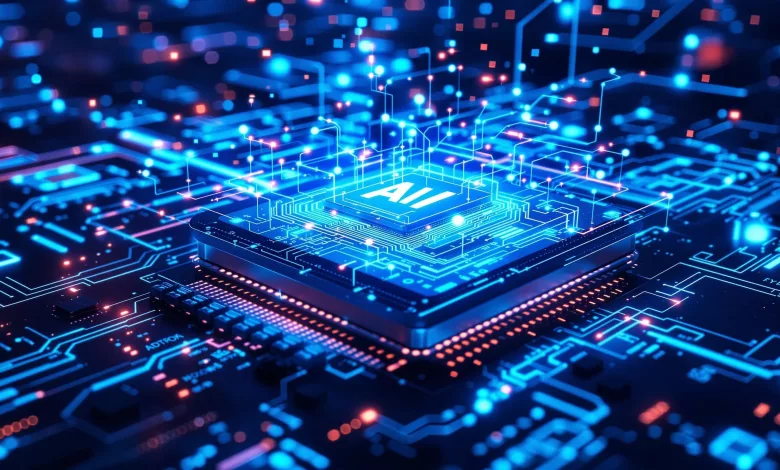
From an optimistic viewpoint, AI is set to usher in a golden age of computing. The hardware itself is evolving, with the rise of specialized processors like Neural Processing Units (NPUs) and advanced GPUs designed to handle complex AI tasks with lightning speed and efficiency. This is giving birth to the “AI PC,” a new category of computers that can perform incredible feats of machine learning right on your desk, without needing to send your data to the cloud. This on-device processing means enhanced privacy, faster performance, and a truly personalized experience.
Imagine a computer that anticipates your needs, automates the tedious parts of your job, and communicates with you in natural language. AI-powered software will make this a reality. It will handle everything from scheduling meetings and organizing your files to assisting in creative endeavors like writing code, composing music, or designing products. By freeing us from mundane tasks, AI will unlock new levels of human productivity and creativity, allowing us to focus on the strategic and innovative work that truly matters.
Doomer Perspective
However, a more cautious perspective warns of the potential downsides of an AI-driven future. The same automation that promises to boost productivity could also lead to widespread job displacement, as machines become capable of performing tasks once done by humans. There are also significant ethical concerns. AI models trained on biased data can perpetuate and even amplify societal inequalities, leading to discriminatory outcomes in areas like hiring, lending, and even criminal justice.
Furthermore, the “black box” nature of many complex AI systems raises serious questions about accountability. When an AI makes a mistake, who is responsible? This lack of transparency can erode trust and make it difficult to correct errors. The proliferation of AI-generated content also opens the door to a new era of misinformation and “deepfakes,” making it harder than ever to distinguish fact from fiction. Coupled with the immense energy consumption required to train these models, the unchecked advancement of AI could create a future that is less equitable, less transparent, and more precarious.
A Balanced Analysis
The future of computing is not a predetermined path; it’s a landscape of possibilities that will be shaped by the choices we make today. Both the optimistic and pessimistic scenarios hold a measure of truth. AI has the potential to be a tremendously powerful tool for good, augmenting human capabilities and solving some of the world’s most pressing problems. It can also become a source of significant social and economic disruption if developed and deployed without care.
The key lies in responsible innovation. Building a positive AI future requires a multi-faceted approach that includes developing robust ethical guidelines, ensuring transparency and accountability in AI systems, and investing in education and retraining programs to prepare the workforce for the jobs of tomorrow. Ultimately, AI is a tool, and like any tool, its impact depends on how we choose to wield it. The challenge ahead is to steer its development in a direction that benefits all of humanity, ensuring that our increasingly intelligent machines work to create a more prosperous, equitable, and creative world.