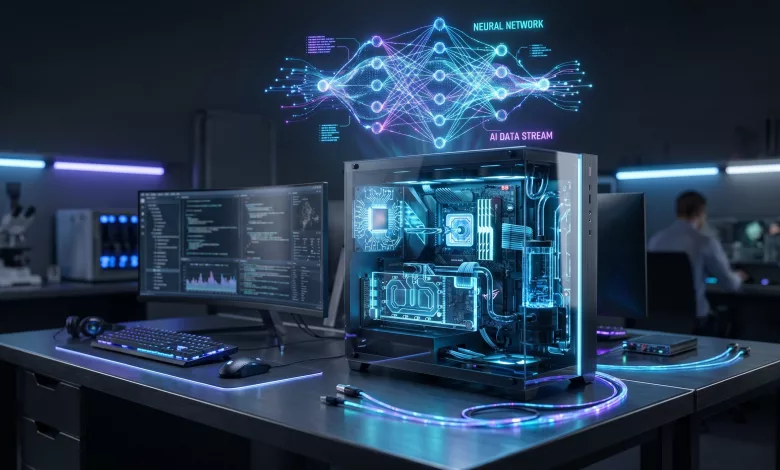
The Future of AI in Computing
Artificial intelligence is no longer just a software feature layered onto computers; it is becoming part of how computers are designed, used, and even understood. From AI-assisted coding tools to on-device assistants that can summarize, search, generate, and automate, computing is shifting from a model of manual instruction to one of collaboration. Instead of making users adapt to rigid interfaces, future computers will increasingly adapt to the user. That change could reshape everything from personal productivity to enterprise infrastructure.
At the same time, AI is moving deeper into the hardware and systems stack. Chips are being optimized for machine learning workloads, operating systems are adding intelligent automation, and everyday devices are becoming more context-aware. In the near future, “using a computer” may mean speaking naturally, delegating routine tasks, and letting AI handle much of the invisible complexity behind the screen.
Boomer Perspective — Why AI Could Be a Huge Win for Computing
The optimistic view is easy to understand: AI can make computers dramatically more useful. For many people, the biggest barrier to computing is not access to devices, but the time and skill needed to use them well. AI lowers that barrier. A small business owner could generate reports, design marketing materials, and analyze customer trends without needing a full technical team. A student could get instant tutoring. A developer could build faster with AI copilots that write boilerplate code and catch bugs.
This shift could also democratize computing. Powerful capabilities that once required specialized knowledge may become available through plain language. That means more people can create software, automate workflows, and participate in the digital economy. AI may even make computers more accessible for users with disabilities by improving voice control, real-time transcription, and adaptive interfaces.
There is also a broader productivity story. If AI can summarize documents, manage schedules, triage support requests, and optimize systems, computers become not just tools for work but active partners in work. In the best-case scenario, AI helps humans focus on creativity, judgment, and strategy while machines handle repetition.
Doomer Perspective — Why AI Could Make Computing Riskier
The cautionary view is equally real. As AI takes on more tasks, some jobs may shrink or disappear, especially in fields built around routine digital work. That includes not only clerical roles but also parts of customer service, content production, testing, and even software development. While new jobs may emerge, transitions are rarely smooth.
Security is another major concern. AI can help defenders detect threats, but it can also help attackers write malware, craft phishing messages, and automate exploits. A world of AI-driven computers may also be a world of more convincing scams and more powerful cybercrime. The more autonomous our systems become, the more damage a mistake or breach can cause.
Then there is the issue of control. If computers increasingly make decisions for us, humans may lose visibility into why choices are being made. That can be dangerous in healthcare, finance, infrastructure, and other critical domains. AI systems also consume significant energy, and as demand grows, computing’s environmental footprint could rise unless hardware and data centers become far more efficient.
A Balanced View
The future of AI in computing is unlikely to be purely utopian or catastrophic. More likely, it will be uneven. AI will make computers easier to use, more powerful, and more personal, but it will also introduce new dependencies and risks. The key question is not whether AI will change computing — it already has — but whether that change is guided responsibly.
The most promising future is one where AI augments human capability without replacing human judgment. That means better transparency, stronger security, smarter regulation, and a focus on keeping users in control. If we get that balance right, computers will not just be smarter. They will become more helpful, more inclusive, and more aligned with human goals.